Research Infrastructure

Everything a study needs, on one site

A defined population under surveillance, a hospital with thousands of patients in active care, a prequalified trials site, an accredited laboratory that serves as a national backup, a biorepository and more than two decades of longitudinal clinical data. Research teams can run a study end to end at Mildmay Research Centre Uganda (MRCU) without assembling infrastructure from scratch.

14,600patients in active care at Mildmay Uganda Hospital
ISO 15189SANAS-accredited laboratory and national backup facility
Prequalifiedclinical trials site
Since 1998of continuous longitudinal clinical data
Community-based population health surveillance

Population and disease surveillance

A defined population followed over time

MRCU maintains a population and disease surveillance cohort that follows a defined community over time, capturing disease incidence, treatment outcomes, mortality and health-seeking behaviour. Because the same population is observed repeatedly, the cohort supports questions that cross-sectional studies cannot answer: what changes, for whom, and how quickly.

The cohort grew out of Mildmay Uganda's long-running programme work across Uganda's Central region, including a five-year epidemic control programme across eight districts of the Mubende region funded by PEPFAR through the CDC. That work established the field teams, community relationships and district health system links that surveillance depends on.

  • Longitudinal follow-up of a defined population rather than one-off surveys
  • Incidence, outcome and mortality measurement across HIV, TB and comorbidities
  • Established community advisory structures and consented field workflows
  • A sampling frame for nested studies, trials and qualitative sub-studies
Clinical care at Mildmay Uganda Hospital

Hospital and clinical platform

14,600 patients in active care

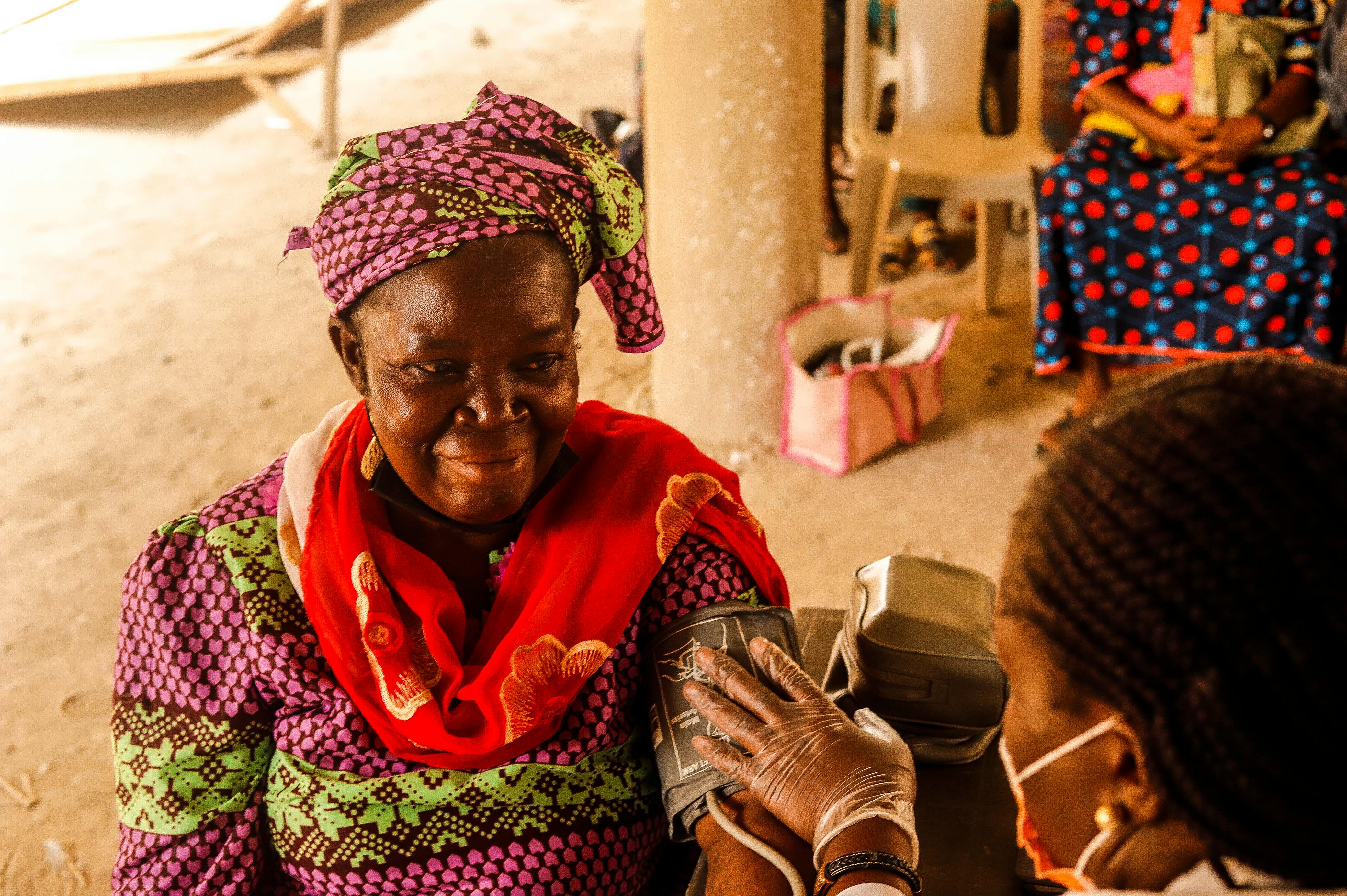
MRCU is anchored within Mildmay Uganda, whose hospital has roughly 14,600 patients in active care. For a research team this means recruitment reach, routine clinical follow-up already in place, and clinical staff experienced in research procedures. That is the difference between a study that recruits on schedule and one that does not.

The clinical platform covers HIV and its comorbidities including tuberculosis, hepatitis B, cancer, diabetes, cardiovascular disease and mental health, alongside maternal, paediatric and adolescent services. Studies can be nested into existing care pathways rather than built alongside them.

  • Large, well-characterised patient population with routine follow-up
  • Paediatric, adolescent, adult and maternal cohorts within one service
  • Clinical staff experienced in GCP-aligned research procedures
  • Care continuity that supports long-term outcome measurement

Visit Mildmay Hospital Uganda

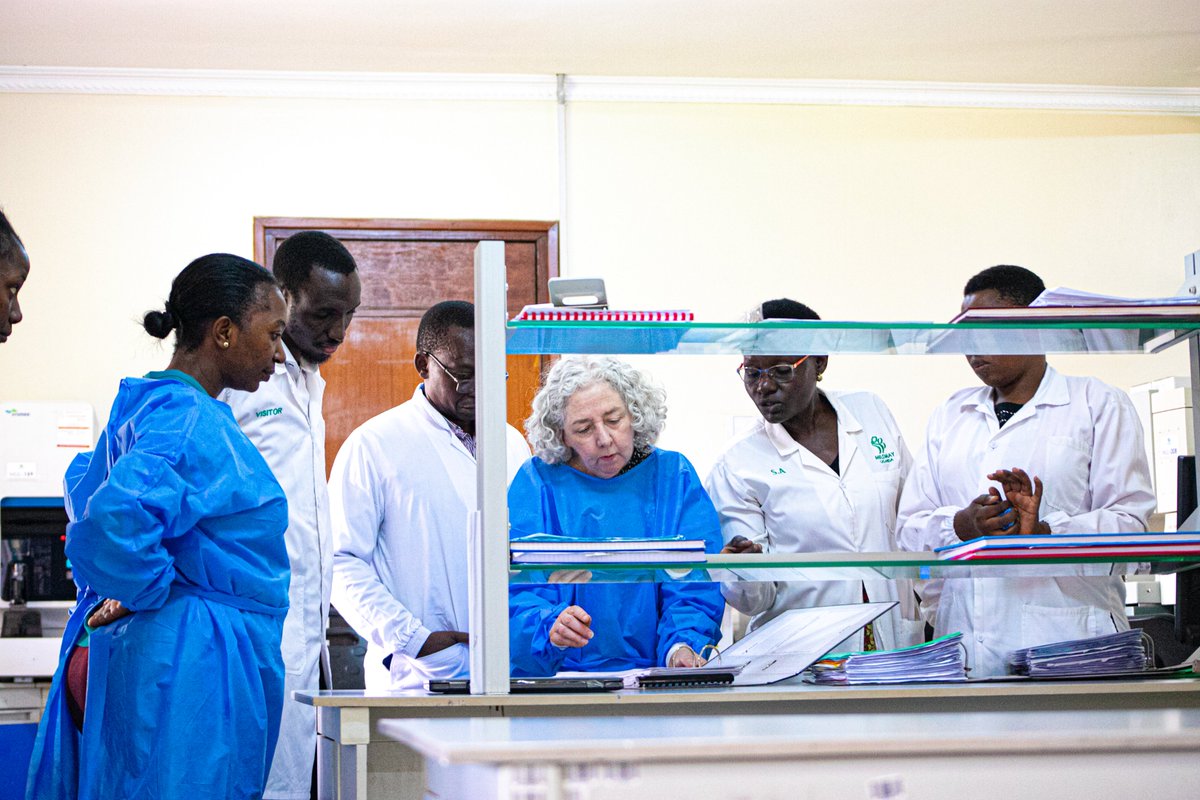
Clinical trials team

Clinical trials site

A prequalified site ready to host sponsored trials

MRCU is a clinical trials site prequalified through AfriTrials Connect. Sponsors and consortia can place studies here knowing the site assessment, staffing, quality systems, documentation practice and regulatory pathway are already established rather than something to be built during start-up.

The site has hosted interventional studies including PREGART, a Phase III randomized non-inferiority trial in pregnant and breastfeeding women, and participates in trial-site readiness initiatives such as AfriTrials Connect.

  • Prequalified through AfriTrials Connect, with established start-up documentation
  • Experience hosting Phase III and pragmatic trial designs
  • GCP-trained investigators, coordinators and pharmacy support
  • On-site ethics review through MUREC and independent scientific review
  • Monitoring, source data verification and audit-ready record keeping
ISO 15189 accredited laboratory

Laboratory

ISO 15189 accredited, and a national backup facility

The MRCU laboratory is ISO 15189 SANAS-accredited and serves as a national backup to Uganda's Central Public Health Laboratory for viral load testing, COVID-19 testing and HIV DNA PCR testing. Being trusted as national backup is the clearest statement of the laboratory's capacity and reliability: it runs at national scale when the country needs it to.

Departments cover Molecular, Microbiology, Haematology, Biochemistry and Immunology. Platforms include Abbott RealTime m2000 PCR systems, Sysmex full blood count analysers, Maglumi 800 chemiluminescence immunoassay systems and BD FACSCalibur cell analysis platforms.

  • Accredited testing with documented quality management
  • National backup role for viral load, COVID-19 and HIV DNA PCR testing
  • Molecular, microbiology, haematology, biochemistry and immunology capability
  • Diagnostic and medical device validation for developers and manufacturers

Biorepository

Specimens stored for the questions not yet asked

A specimen is only as valuable as the data attached to it and the conditions it was kept in. The MRCU biorepository exists so that samples collected in one study can, with the right consent and governance, answer questions nobody had thought of when the sample was taken.

Colour-coded sample storage cases in a biobank
Every sample has an addressColour-coded, barcoded positions mean a single aliquot can be located, retrieved and returned without thawing everything around it.

What we hold

The repository accessions specimens from MRCU studies and from routine clinical work at Mildmay Uganda Hospital, processed into aliquots so a single collection can serve several analyses over time.

  • Whole blood, serum, plasma and peripheral blood mononuclear cells
  • Extracted nucleic acids for molecular and genomic work
  • Sputum and other specimens from tuberculosis and respiratory studies
  • Dried blood spots and other formats suited to field collection

How it works

Cold chain, custody and access

Cold chain

Minus-80 mechanical freezers and liquid nitrogen storage, with refrigerated and minus-20 capacity for shorter-term holdings. Continuous temperature monitoring, alarm escalation, backup power and reserve freezer space for contingency transfers.

Inventory and custody

Barcoded aliquots tracked to freezer, rack, box and position. Documented chain of custody from collection through processing, storage, retrieval and disposal, with freeze-thaw history recorded against each aliquot.

Quality control

Standard operating procedures for collection, processing time windows, aliquoting and labelling. Periodic sample integrity checks, and processing conducted alongside our ISO 15189 accredited laboratory.

Consent and ethics

Specimens are collected under consent frameworks that anticipate future secondary use. Any new use is reviewed by MUREC, and participants retain the right to withdraw their samples.

Data linkage

Stored specimens are linked to the clinical, treatment and outcome data held in our database systems, so a sample carries the phenotype that makes it scientifically useful.

Access and transfer

Collaborators request specimens through a documented review process, governed by a material transfer agreement. Shipments are prepared to international standards for biological materials on dry ice or in vapour shippers.

Why it matters for a study

Biorepositories turn one-off studies into long-term scientific assets. Immunology, pharmacogenomics, diagnostics validation and AMR work all depend on well-characterised specimens that were collected, processed and stored to a known standard.

For collaborators, this means a study at MRCU does not end when the last participant visit closes. The samples remain available, under governance, for the analyses that the findings suggest next.

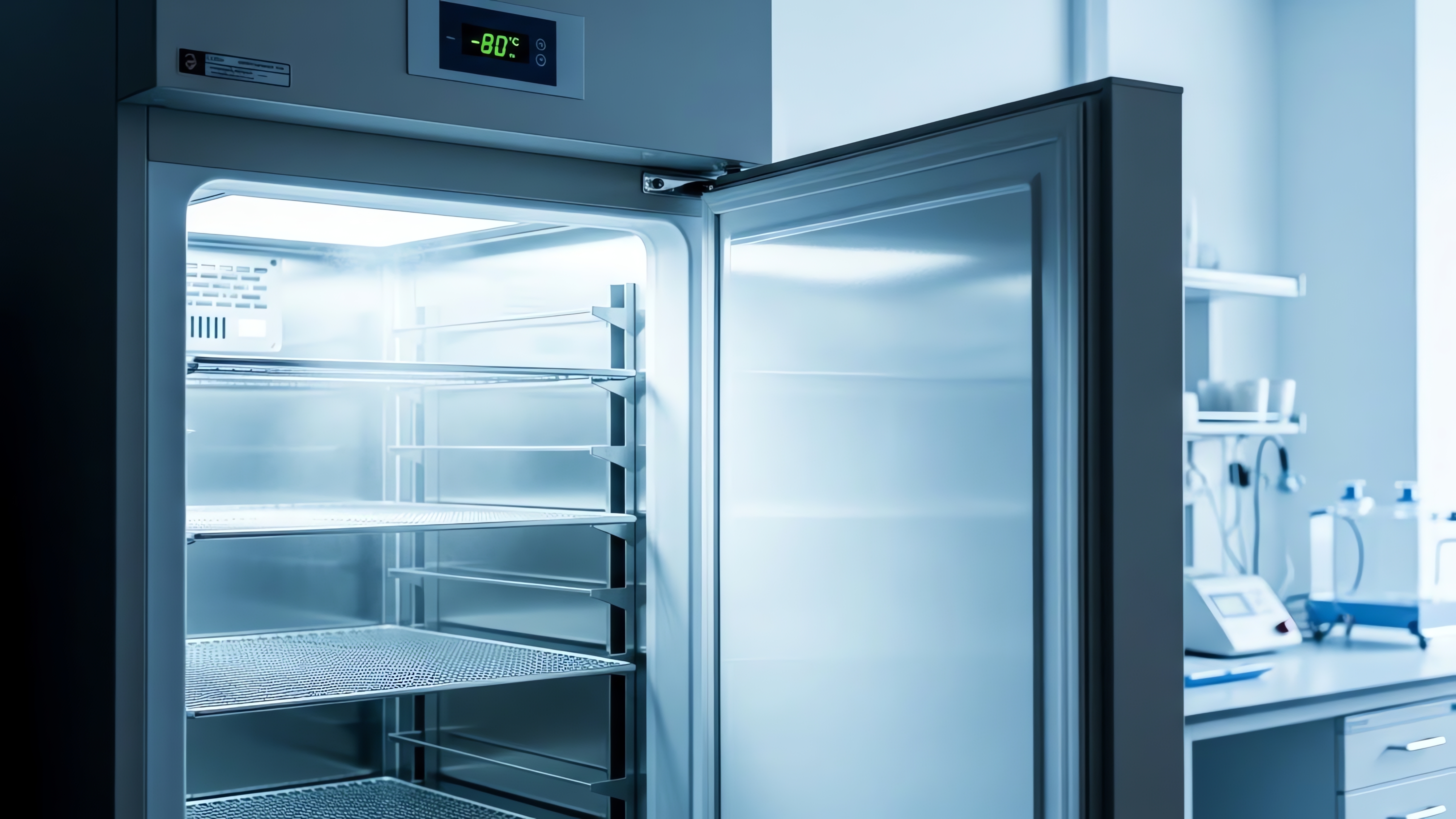
Open ultra-low temperature laboratory freezer
Minus 80 and belowUltra-low temperature storage keeps proteins, nucleic acids and cells viable for analyses years after collection.

Illustrative images: “Empty sample storage cases in Estonia Biobank” by Koidres, CC BY 4.0; laboratory freezer photograph via Vecteezy. These illustrate standard biorepository practice and are not photographs of the MRCU facility.

Health data systems and analytics

Data and database systems

More than two decades of linked clinical data

MRCU holds substantial routine and research data drawn from the HIV programme across Uganda's Central region and from Mildmay Uganda Hospital since 1998. The data covers HIV alongside comorbidities including tuberculosis, hepatitis B, cancer, diabetes, cardiovascular disease and mental health.

The database is treated as research infrastructure in its own right. It is curated, governed and available to external researchers through a documented access process, so that secondary analyses can be done properly rather than opportunistically.

  • Longitudinal clinical records spanning more than 25 years
  • HIV plus comorbidity data supporting multimorbidity research
  • Documented data access review, ethics approval and data-sharing agreements
  • Analytic support for fellows and collaborating researchers

Governance around the infrastructure

Accredited review, independent science, documented practice

Infrastructure is only usable if the governance around it is credible. MRCU pairs its physical and data assets with accredited ethics review, independent scientific review and active study monitoring.

For researchers

Bring your study to a site that is already built

Whether you need a trial site, a defined population, accredited laboratory testing, stored specimens or two decades of clinical data, MRCU can host the work and help you get it through ethics and into the field.

See how to work with us